

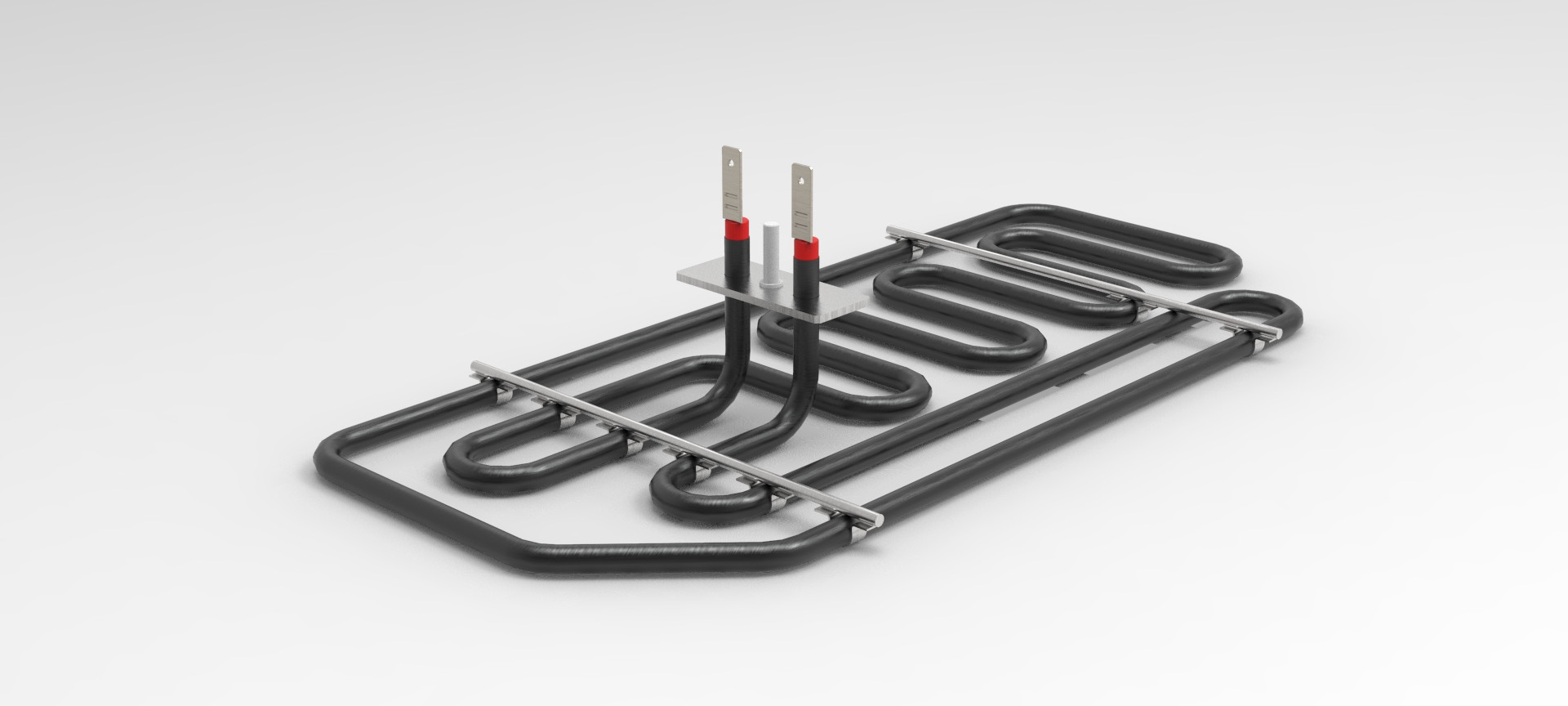
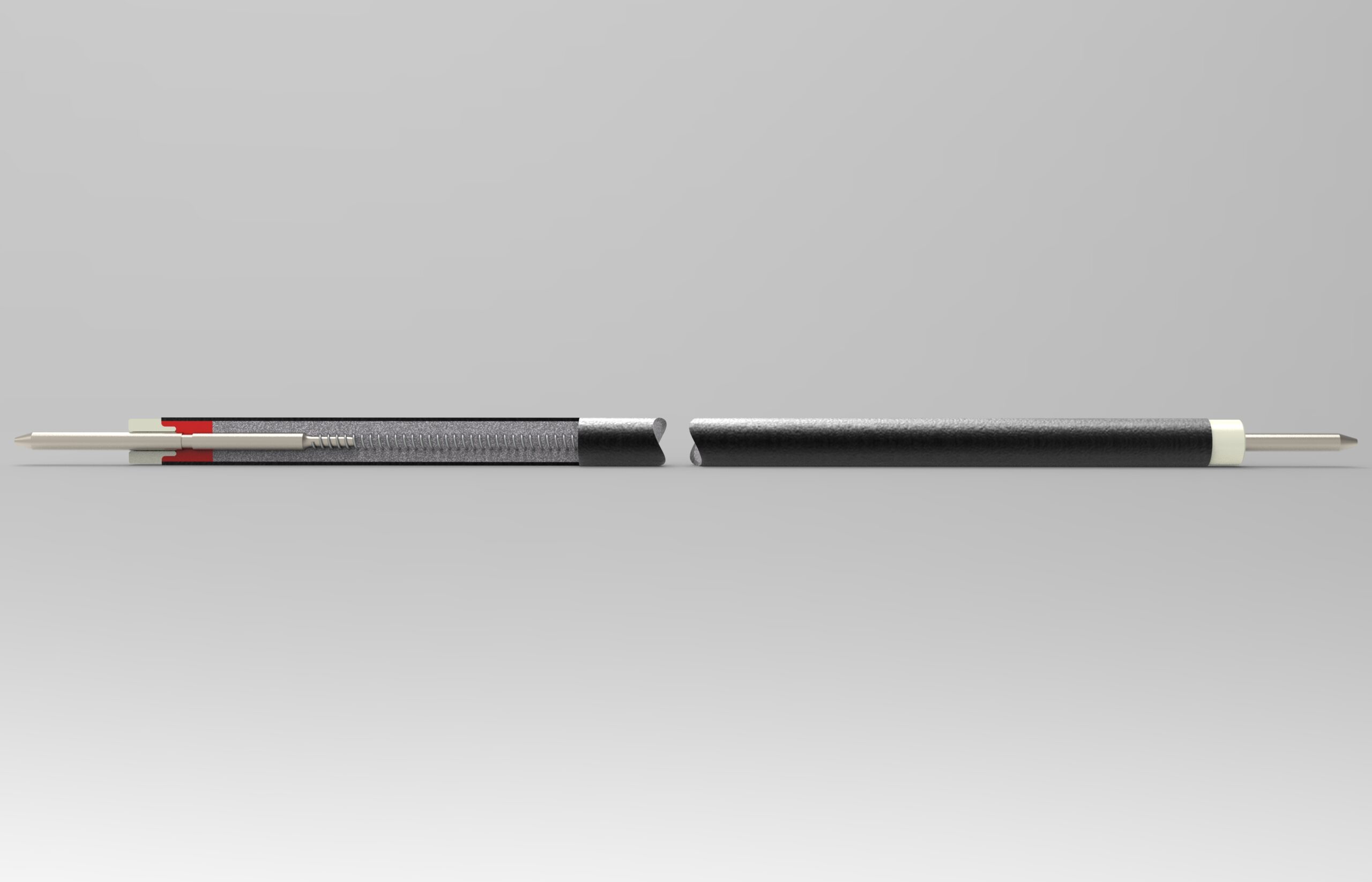
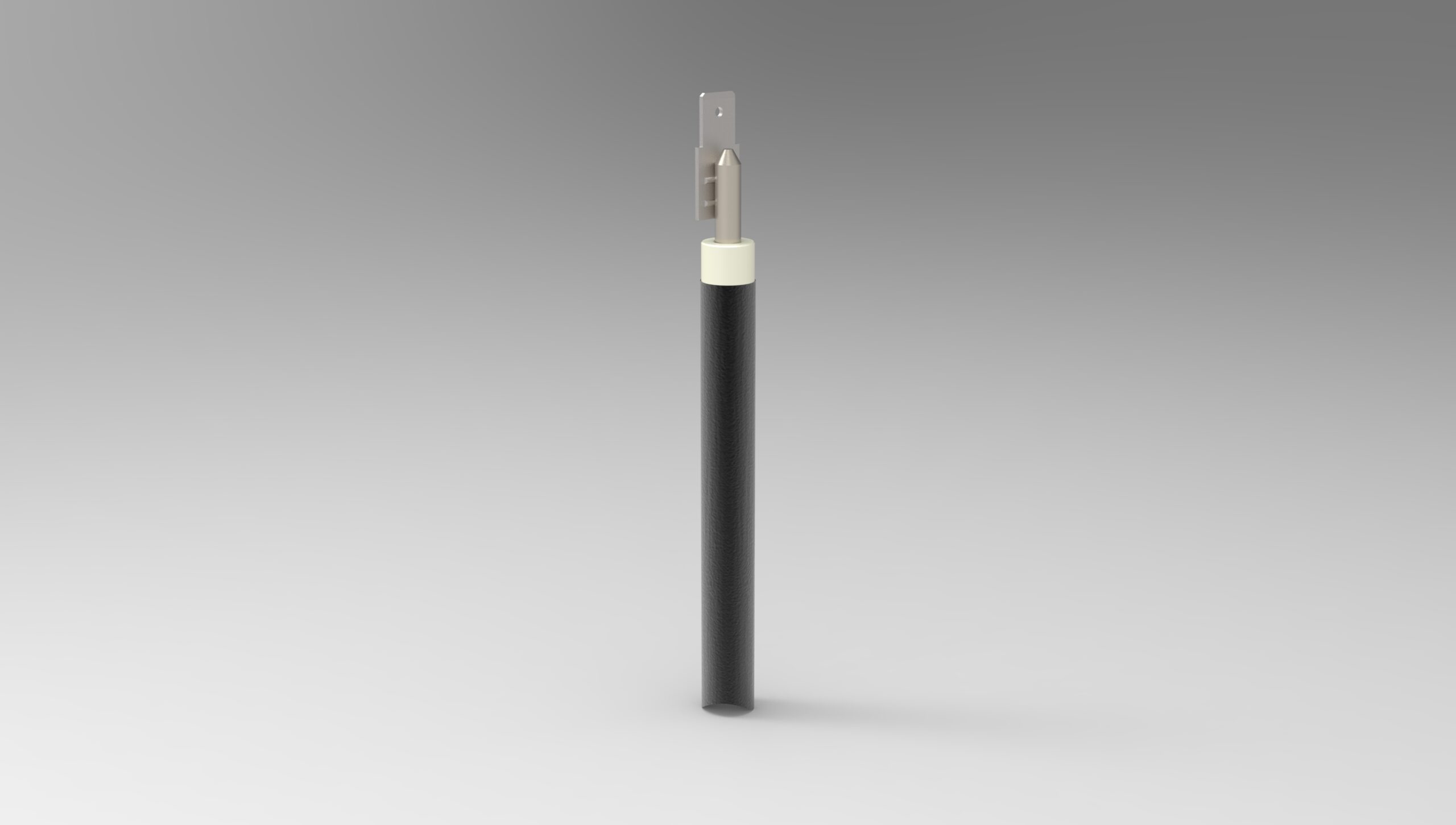
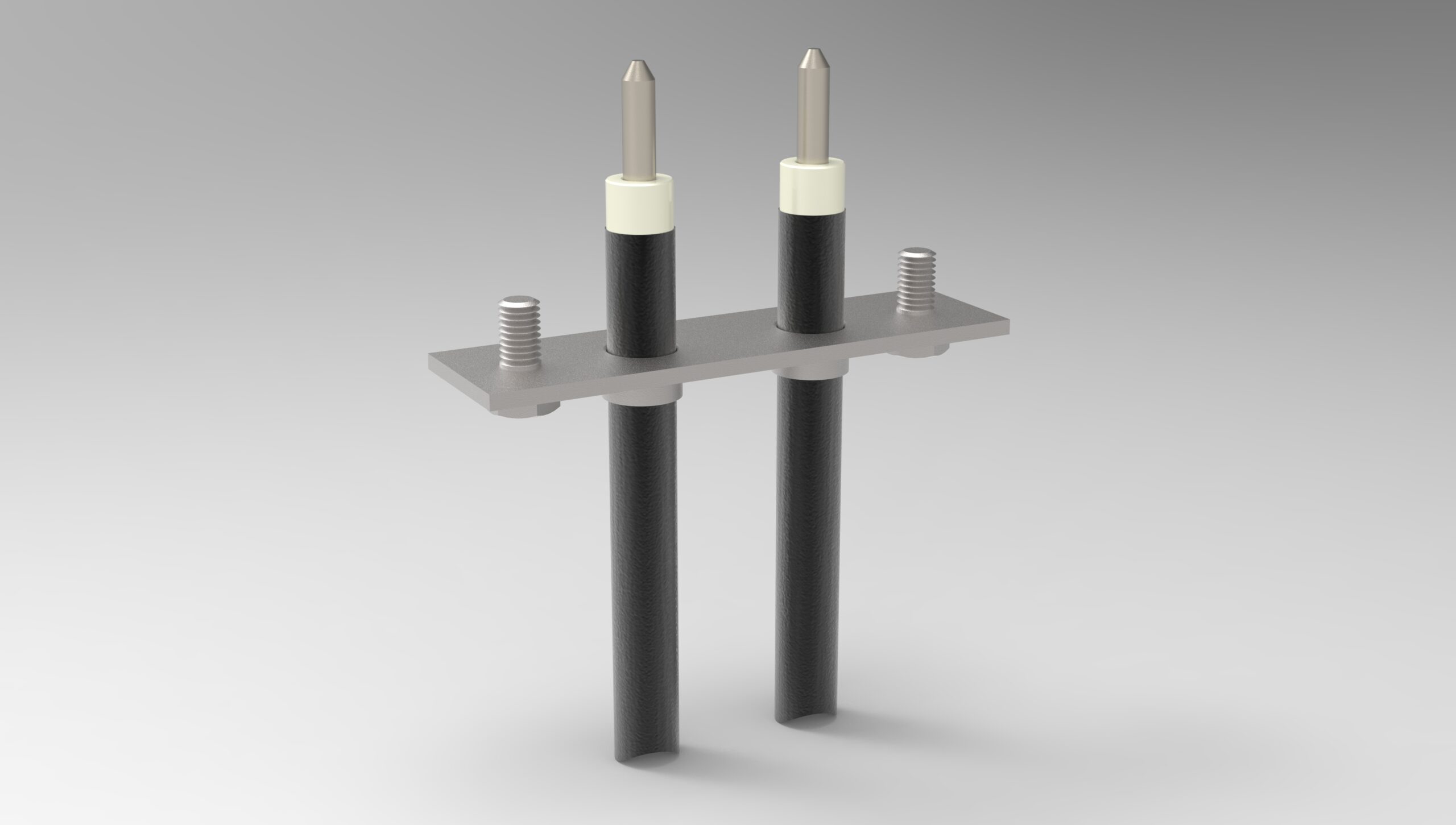
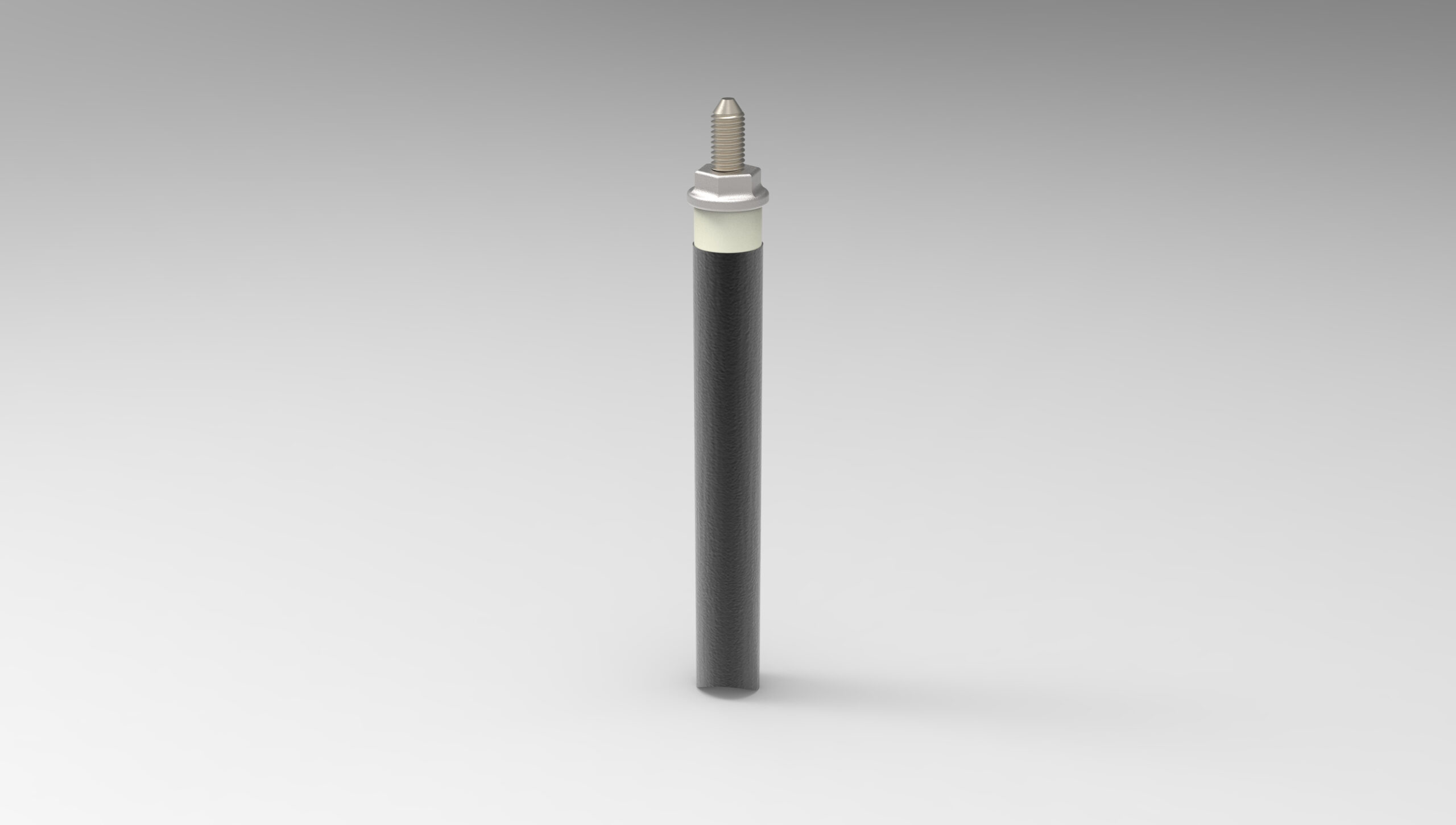
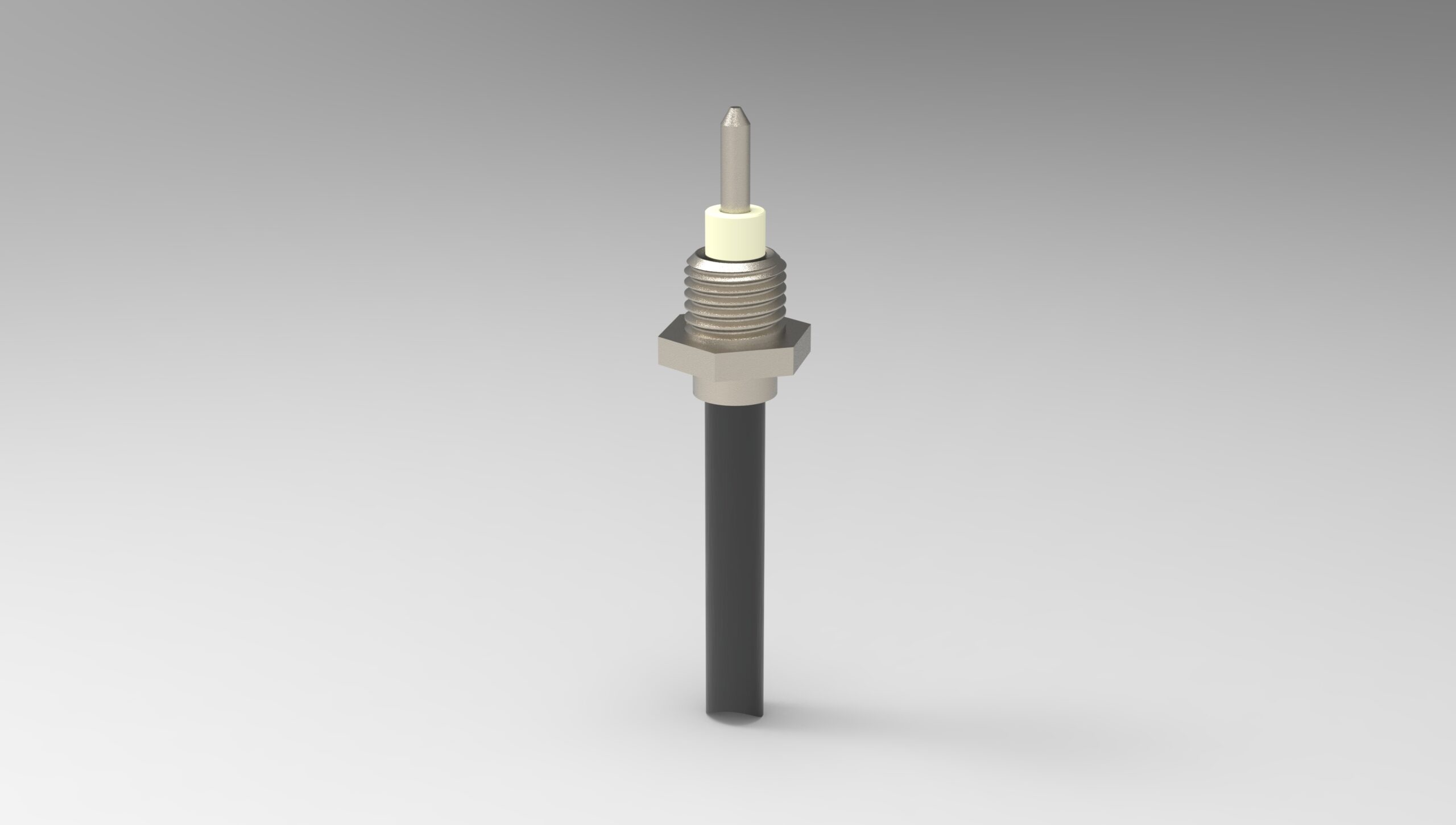
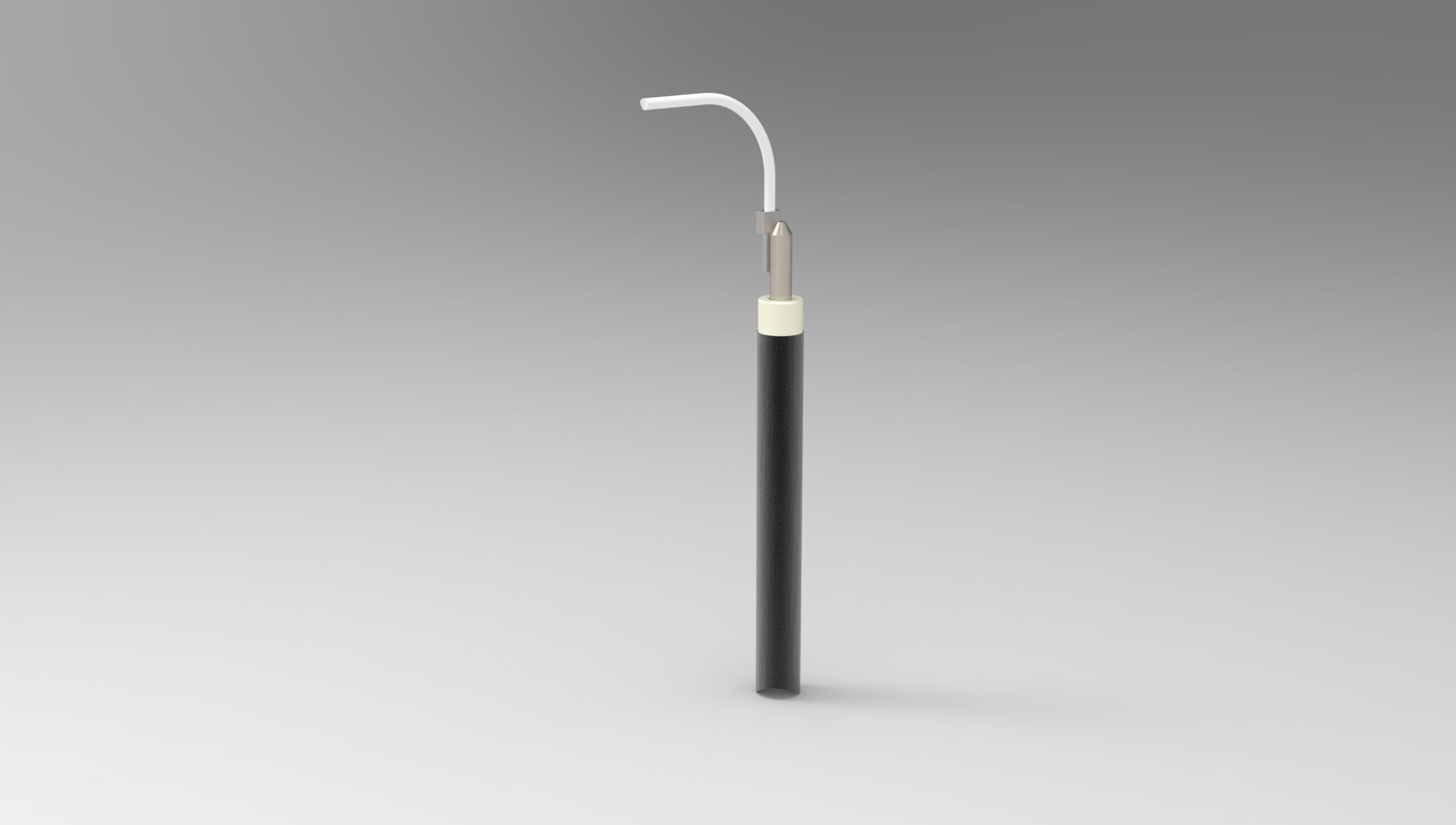
Manufacturing details & technical data
diameter
- 6.5 mm
- 8.5 mm
Pipe jacket materials
- 1.4301
- 1.4404
- 1.4529
- 1.4828
- 1.4876
- copper
- Other materials available on request
- Minimum length 300 mm
- Standard up to 5,200 mm
- Other lengths available on request
connection voltages
- 45 - 440 V
We also offer custom solutions for special requirements and complex installation situations.
Get in touch with us!
Tubular radiators for industrial applications
bent
wound
Compact performance for efficient heat
Our tubular heating elements are energy-efficient thanks to precisely manufactured heating coils and high-quality insulation. Their compact design allows them to be used even in confined spaces. Tube jacket materials such as stainless steel or Incoloy ensure a long service life under demanding conditions. Fast and even heat transfer ensures stable processes. Power, voltage, bending radius, and connection type can be flexibly adjusted, enabling cost-effective integration into existing systems.
Mounting options for every installation situation
-
Insulation:
Insulation reduces heat loss. This increases energy efficiency and improves the performance of the entire system. -
Soldering:
We solder heating elements directly onto containers or plates. This ensures optimal heat transfer and uniform heating, which is particularly important in the catering industry. -
Assembly of (welded) components:
We assemble cable harnesses, control systems, and sheet metal parts and deliver functional units that are ready for immediate use. -
Surface finishing:
Coating, grinding, polishing, and blasting improve the durability, function, and appearance of components.
Was that all?
Our services do not end with heating elements. We are happy to offer you further work steps, which we carry out ourselves or with long-standing suppliers from the region.
For which applications are tubular heating elements suitable?
Tubular heating elements are used in numerous industrial processes—for example, to heat liquids, oils, air, gases, or tools. They are suitable for both direct and indirect contact with the medium.
What materials are the radiators made of?
We use stainless steel or Incoloy as standard. Copper or other alloys can also be used for special requirements.
Can tubular heating elements be custom-made?
Yes. We offer customized solutions in terms of shape, performance, voltage, connection type, and surface finish.
What is the service life of the radiators?
When properly designed and used, our tubular heating elements achieve a very long service life – often several years in continuous operation.
Are there any protective devices against overheating?
Bimetal limiters, capillary tube limiters, or temperature fuses can be integrated as optional components. They reliably protect the heating process from overheating.
How is the electrical connection made?
Depending on the design, various connection types are possible: threaded bolts, plug connections, or cable designs.
Frequently asked questions about our tubular radiators
- Our customers regularly ask us questions about the use and design of our tubular heating elements. Here you will find the most important information at a glance:
- Tubular heating elements are suitable for heating liquids, gases, and solids. They are used in numerous industries, such as the food industry, mechanical engineering, and chemical process engineering.
Use Cases » Tubular heating elements

In commercial kitchens in hotels, cafeterias, and restaurants, efficient and reliable heat is a crucial factor for smooth operations. Whether for preparing food, keeping dishes warm, or cleaning cooking equipment—tubular heating elements are used wherever heat must be precisely controlled.

Precise heat, maximum hygiene, reliable performance: tubular heating elements for medical technology offer exact temperature control, germ-free processes, and energy efficiency—indispensable for sterilization, laboratories, and medical devices.