Manufacturing details & technical data
outer diameter
- 2.5 mm - 12 mm
Pipe jacket materials
- 1.4301
- 1.4404
- 1.4529
- 1.4828
- copper
- Other materials available on request
- Standard up to 6,000 mm
- Other lengths available on request
Cooling pipes for industrial and commercial applications
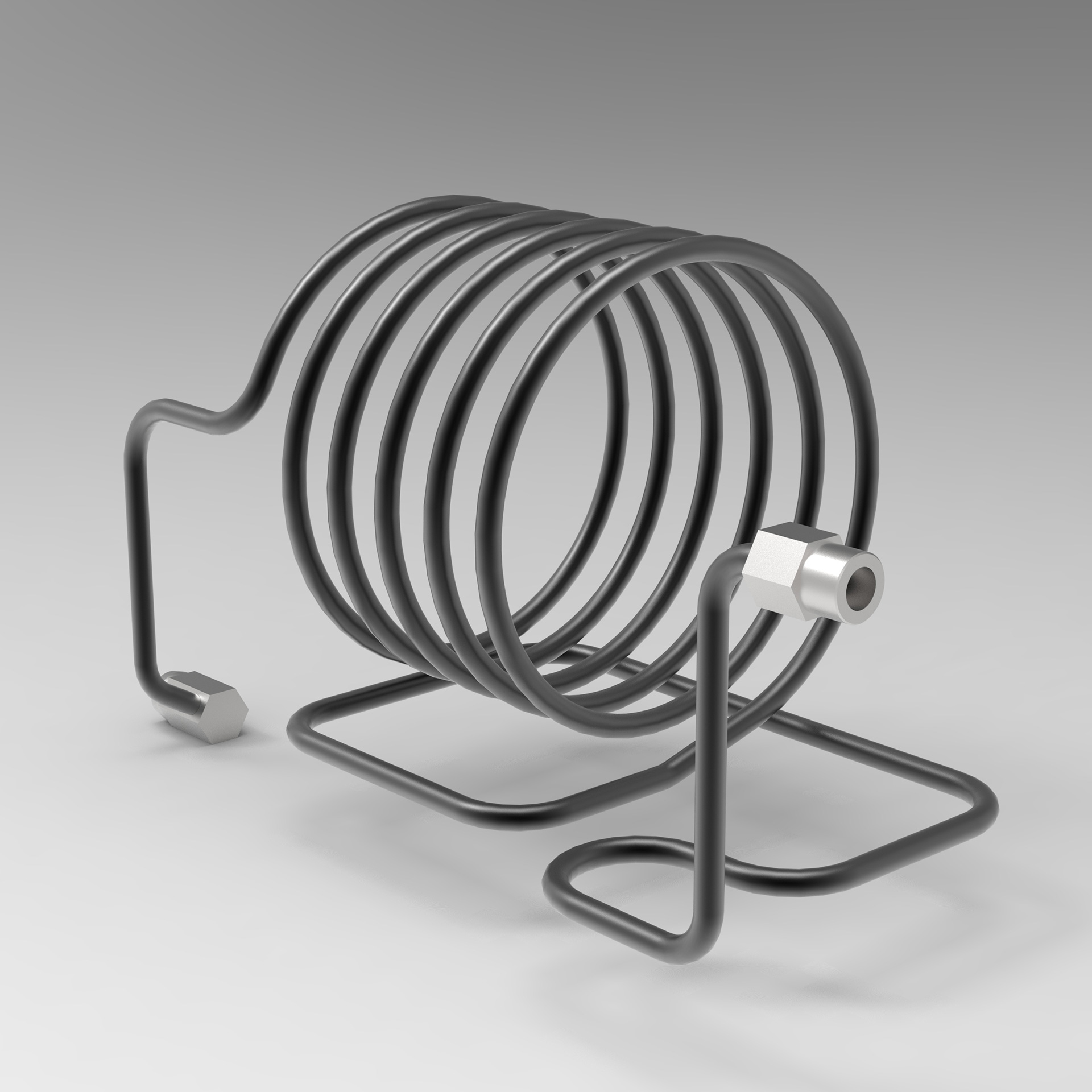
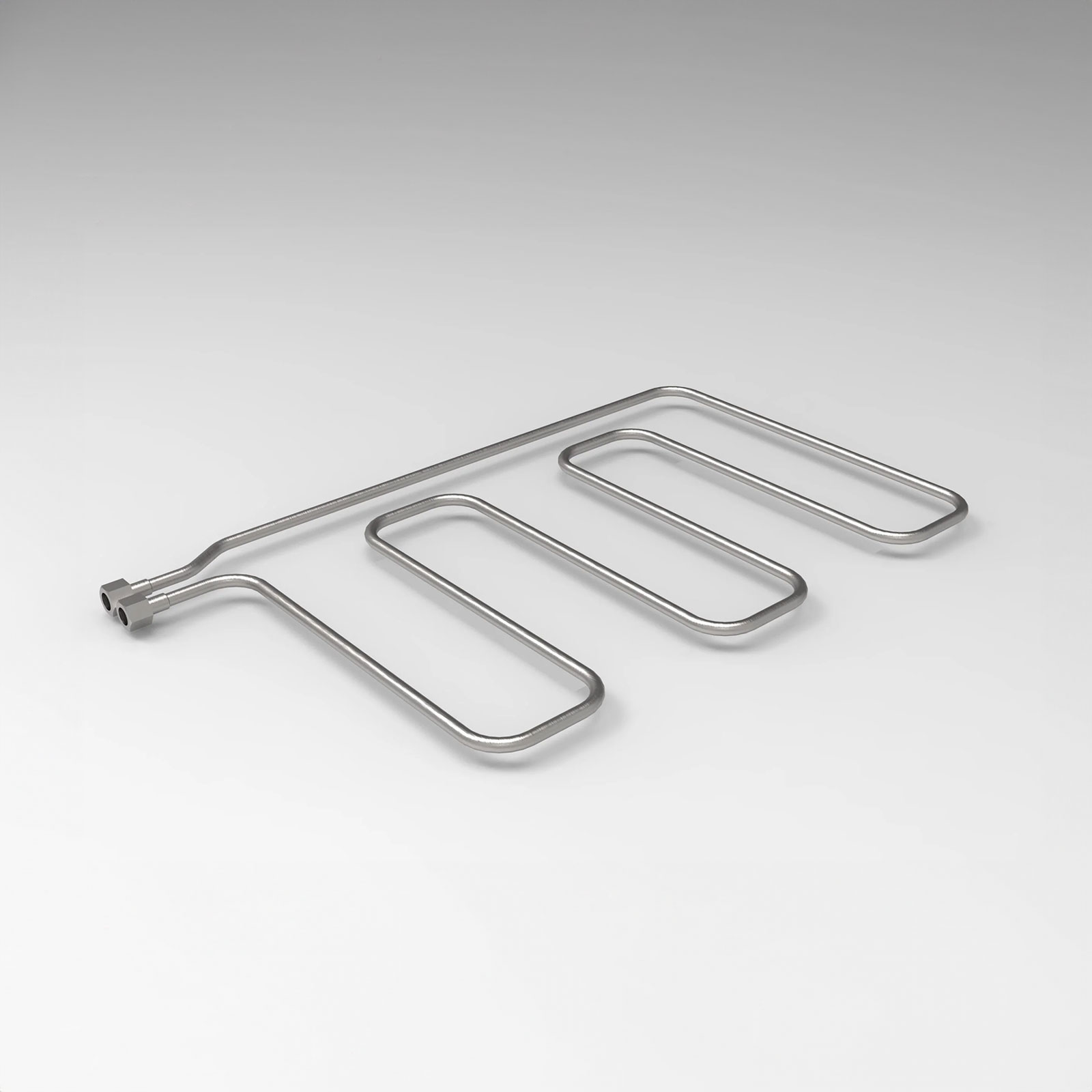
Our cooling tubes are manufactured on modern CNC bending machines, ensuring high reproducibility in terms of shape and dimensions. Connections of all types can be reliably soldered or welded. On request, the bent stainless steel pipes can be cast in aluminum to create high-performance cooling plates for demanding applications. Orbital welding technology allows cooling pipes to be extended beyond the standard length of 6 m and to be joined precisely and permanently, even at greater overall lengths.
Cooling tubes for a wide range of applications
Cooling tubes for specific applications – we have the solution.
Cooling tubes perform key tasks in systems where reliable and constant temperature control is essential. They are precisely bent, joined, and further processed as required to fit seamlessly into existing machines, systems, and cooling systems. Their stable construction, tight dimensional accuracy, and the option of integrating additional components make them particularly suitable for demanding industrial processes.
In web spindles and chairs, they ensure the precise removal of process heat, thereby stabilizing the ongoing manufacturing process. In bearing seat cooling, they protect sensitive bearing points from overheating, extend the service life of components, and ensure trouble-free machine operation. In dispensing systems, cooling pipes keep the beverage flow at a constant temperature and ensure hygienic, stable cooling from the cooling unit to the tap.
What are the minimum bending radii that can be achieved with cooling pipes?
The minimum possible bending radius depends on the outer diameter and material. Tight radii are generally possible without constricting the pipe. The exact feasibility is checked on the basis of technical specifications.
How do high pressure loads affect the design of cooling pipes?
High operating pressure requires a correspondingly dimensioned wall thickness and a suitable material.
Can cooling pipes be designed for highly fluctuating temperatures?
With suitable materials and joining processes, cooling pipes can be designed for cyclic temperature changes without losing their tightness or dimensional stability.
What are the advantages of orbital welding?
Multiple pipes can be joined together using orbital welding. This also allows pipe lengths of over 6 m to be achieved.
How does the flow velocity affect the cooling capacity of the pipe?
Higher flow velocities improve heat dissipation. The optimum velocity depends on the medium, pipe diameter, and required cooling capacity.
Frequently asked questions about our cooling pipes
- Cooling tubes are key components for precision cooling in industrial plants. Many technical details and variants depend heavily on the specific application. The following questions address topics that frequently arise during the planning, design, and integration of cooling tubes and go beyond basic information.
Use Cases » Cooling Tubes

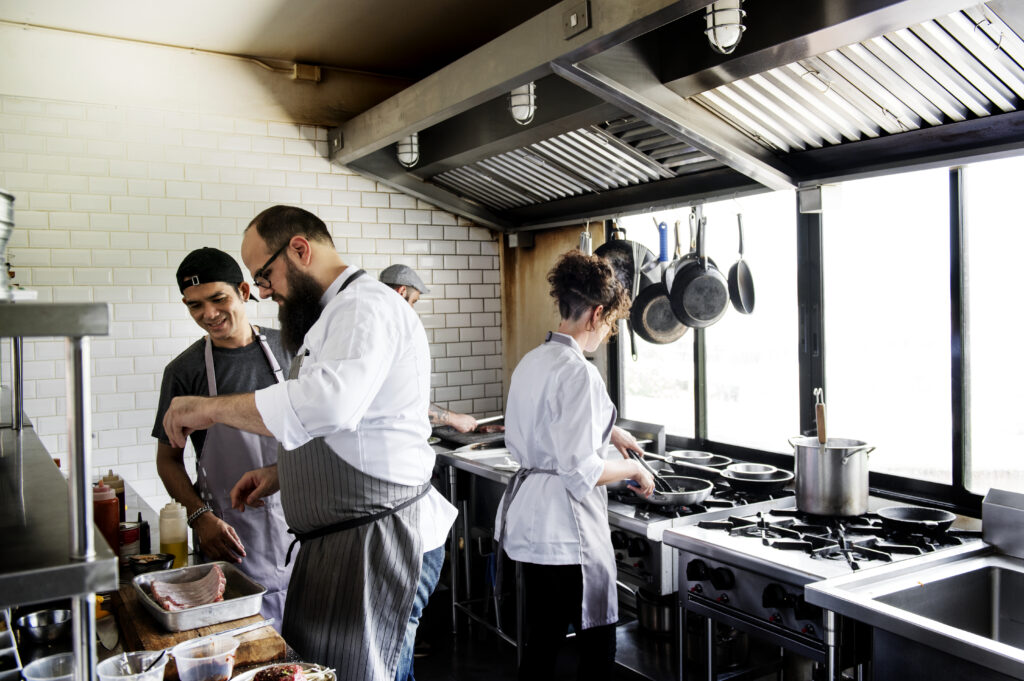
In commercial kitchens in hotels, cafeterias, and restaurants, efficient and reliable heat is a crucial factor for smooth operations. Whether for preparing food, keeping dishes warm, or cleaning cooking equipment—tubular heating elements are used wherever heat must be precisely controlled.

Precise heat, maximum hygiene, reliable performance: tubular heating elements for medical technology offer exact temperature control, germ-free processes, and energy efficiency—indispensable for sterilization, laboratories, and medical devices.